
When you should take a PCR vs. a rapid antigen test
(CNN)A PCR test is often considered the gold standard for detecting coronavirus infection. It’s the test some employers want employees to take before returning to work after having Covid-19, and the one some people scramble to schedule to know whether they can travel or stop isolating. But experts say the PCR test isn’t the best one for every situation.PCR — or reverse transcription-polymerase chain reaction — tests can detect small amounts of the coronavirus’ genetic material in a specimen collected from a human. The test then works by amplifying, or making copies of, that genetic material if any is present in a person’s sample, according to the US Centers for Disease Control and Prevention.The test’s amplifying property enables it to detect very small amounts of coronavirus in a specimen, “making these tests highly sensitive for diagnosing COVID-19,” according to the CDC. While this sensitivity can be advantageous for detecting coronavirus after a recent exposure, it also means PCR results can be positive even after you’re no longer contagious.
A PCR test might say you’re positive for coronavirus for three or four weeks after you’ve recovered because it’s still “picking up past infection and the small fragments (of the virus) are still being amplified,” said CNN Medical Analyst Dr. Leana Wen, an emergency physician and visiting professor of health policy and management at the George Washington University Milken Institute School of Public Health. After seven to 10 days, “that PCR test is not an appropriate test.”
Regardless of your situation, here’s what you need to know about the differences between PCR and antigen tests and when you should use them.
When a PCR test is key
The prime time to take a PCR test is when you have had a known or suspected exposure to someone with Covid-19 or are experiencing symptoms, and you want to find out if you have a coronavirus infection, said Dr. Albert Ko, the Raj and Indra Nooyi Professor of Public Health at the Yale School of Public Health.
Knowing your Covid-19 status as early in an infection as possible can help you figure out whether you’re infectious to other people, what to tell recent close contacts for their own safety, and what to share with your doctor so they can talk with you about your symptoms and prescribe any medical care if needed, said Emily Somers, an epidemiologist who holds professorships in internal medicine, environmental health sciences, and obstetrics and gynecology at the University of Michigan’s schools of medicine and public health.

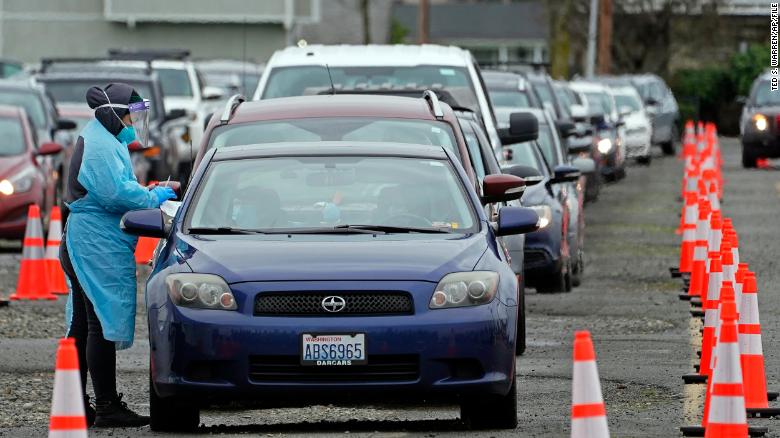
How to get free at-home Covid-19 tests from the government.That’s important because “up to two days before symptoms, or the one day or two days after symptoms (begin) people can have the highest risk of infecting others,” Ko said. When people are first exposed, it takes time for the virus to replicate enough for a test to pick up on it, Ko explained. PCR tests detect it earlier in the course of infection after exposure than the less sensitive rapid antigen test, which works by detecting a specific protein on one of the coronavirus’ spikes.The US Food and Drug Administration has authorized use of both PCR tests and rapid antigen tests in laboratory-based or point-of-care settings (such as a physician’s office, urgent care facility, pharmacy, school health clinic and temporary locations like drive-through testing sites). Antigen tests are also commonly available as self-tests.
When rapid antigen tests are crucial
Contrary to what some still think is best, a rapid antigen test is what you should be taking after you have had Covid-19 for several days and want to confirm you’re probably no longer infectious to other people. “‘Infected’ means that I have the virus in me,” Ko explained. “‘Infectious’ means that I’m shedding enough virus to infect somebody else, and that only occurs during a peak. It follows a curve after someone has been exposed.”The CDC’s current isolation guidance is that if people have access to a coronavirus test and want to take it, the best approach is using a rapid test toward the end of their five-day isolation period. Those who continue to test positive at that point should continue isolating until they reach 10 days after their symptoms began. People who test negative can stop isolating but should wear a mask around others until day 10.
